No results found

Serving clients throughout Staten Island, Brooklyn & New York City
Microdermabrasion is a safe procedure. Almost everyone is eligible for it. It does not require any anesthesia and has shown very promising results in clinical studies.
Microdermabrasion involves the removal of cells from your skin’s outermost layer. It promotes the quick regeneration of new cells. What’s more? You’ll have firmer, more youthful, and more toned skin.
Microdermabrasion has several benefits, but then, they don’t work the same way for everyone. In this article, we’ll look at the potential benefits of microdermabrasion.

Where is microdermabrasion used?
Microdermabrasion is mostly used in these areas:
You may also opt for full-body microdermabrasion that targets all the parts of the body listed above, and more, but avoiding those parts of the skin that are irregular or thick, such as your hands, feet, and ears.
Benefits of microdermabrasion
Clinical research has shown that microdermabrasion is effective in the treatment of:
The procedure may require several treatment sessions before you achieve your desired results. The duration of time spent in receiving the treatment varies depending on your desired results.
Microdermabrasion treats stretchmarks
Microdermabrasion treats stretchmarks as effectively as other well-known topical treatments. It enhances cell turnover, which boosts your skin’s healing ability.
Reduces wrinkles and lines
Another important reason why people use microdermabrasion is to hide the wrinkles and fine lines that may show up on the face due to stress, natural aging, photoaging, or sun damage.
A 2006 study by Spencer and Kurtz showed that women who received microdermabrasion treatment once weekly for 6 six weeks experienced decreased yellowness and increased brightness at the site of treatment. The visibility of their wrinkles also reduced drastically.
You see, microdermabrasion is a very effective form of treatment, but it doesn’t work the same way for everyone. Your experience may differ from another’s. The location of your wrinkles and the number of treatments that you receive will determine your results. Adopting a healthy skincare routine may give you better results.
Microdermabrasion also treats hyperpigmentation
Microdermabrasion may also be used to treat hyperpigmentation. Hyperpigmentation may also refer to very dark patches on your skin, melasma, or aging spots.
A 2012 study found that women who were treated with laser therapy and microdermabrasion saw significant improvement in their skin tone. If you intend to treat hyperpigmentation, then you’ll need more than just microdermabrasion treatment. You may have to complement microdermabrasion with laser therapy or topical vitamin C. The good news is that you may not need more than two treatments to experience a big difference.
It treats acne scars and acne
Microdermabrasion is not effective on an active acne breakout. It could worsen your symptoms and prolong the duration of the breakout. However, a 2001 study shows that it may be effective on acne, depending on the triggers.
Microdermabrasion also decreases the visibility of acne scars.
What’s more? Since microdermabrasion doesn’t require anesthesia or recovery, it becomes a perfect treatment for individuals with acne who want to avoid intense treatments.
How does it work?
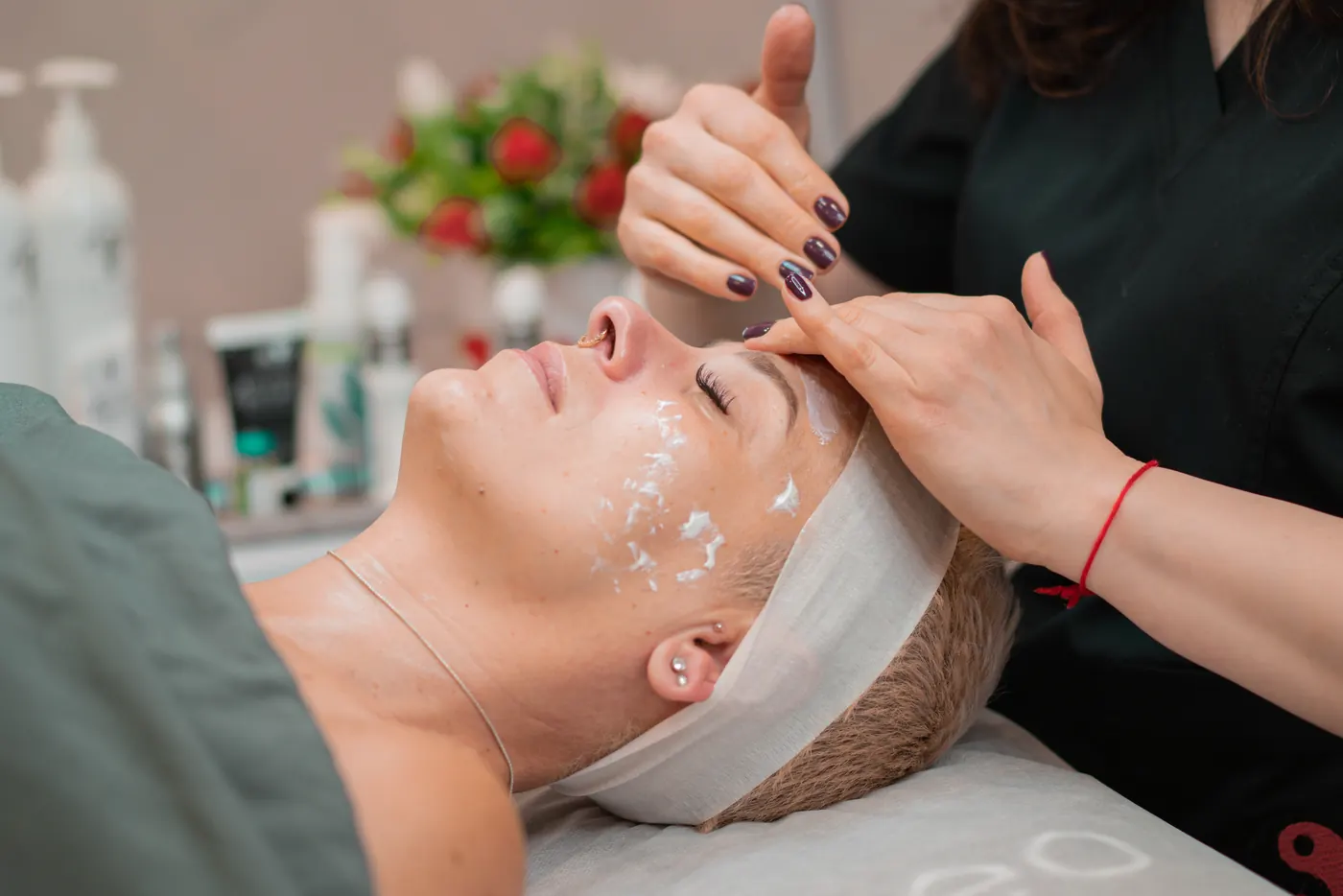
This cosmetic procedure involves the exfoliation of skin cells. It is usually done by a professional (such as a dermatologist) using special microdermabrasion devices.
In 2017, over 700,000 procedures were performed in the United States. There are two primary microdermabrasion techniques namely crystal and diamond-tip microdermabrasion.
Crystal microdermabrasion involves the targeting of tiny particles at your face through a wand. On the other hand, diamond-tip microdermabrasion involves the use of an applicator to exfoliate your skin.
Both techniques loosen and remove dead skin cells to expose the younger cells.
How can you find the right practitioner?
Microdermabrasion is very effective against many skin conditions. However, an important thing to consider is hiring the services of the right practitioner.
Skincare specialists (working under the supervision of healthcare providers) are the most cost-effective way to get this treatment.
However, if you have underlying or pre-existing skin conditions, then you may have to contact your dermatologist.
Article sources
Kauvar A. N. (2012). Successful treatment of melasma using a combination of microdermabrasion and Q-switched Nd:YAG lasers. Lasers in surgery and medicine, 44(2), 117–124. https://doi.org/10.1002/lsm.21156
Lloyd J. R. (2001). The use of microdermabrasion for acne: a pilot study. Dermatologic surgery: official publication for American Society for Dermatologic Surgery [et al.], 27(4), 329–331. https://doi.org/10.1046/j.1524-4725.2001.00313.x
Spencer, J. M., & Kurtz, E. S. (2006). Approaches to document the efficacy and safety of microdermabrasion procedure. Dermatologic surgery: official publication for American Society for Dermatologic Surgery [et al.], 32(11), 1353–1357. https://doi.org/10.1111/j.1524-4725.2006.32305.x
Curious if this treatment is right for your skin?
Book a ConsultationMost sessions run 30–60 minutes depending on the treatment and your skin's needs. Your esthetician will confirm timing during your consultation.
Most of our facial and skin treatments have little to no downtime, so you can return to your normal routine the same day. Any specific aftercare will be reviewed with you before you leave.
It depends on your skin goals — many clients start with a series of sessions spaced 2–4 weeks apart, then move to a maintenance schedule. We'll build a plan that fits you at your consultation.
Book a personalized consultation at our Staten Island studio and get a skin plan built around your goals.
Book a Consultation